
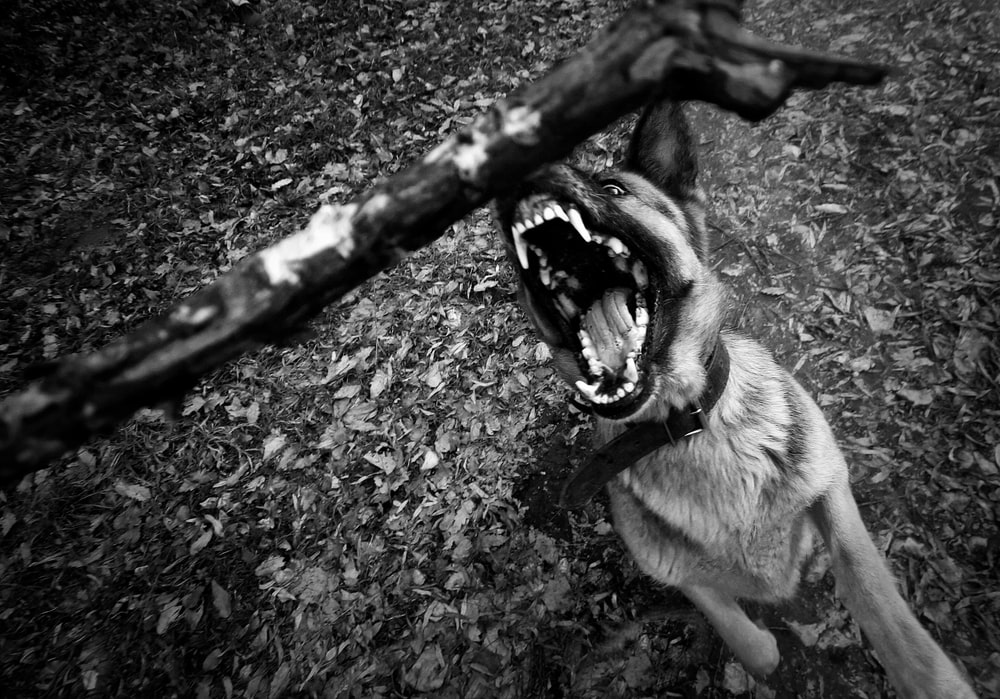
Summary (TL;DR): If your dog is attacked by another dog in Texas, you may have legal options depending on the circumstances. Liability may arise under dangerous dog laws, the “one-bite” rule, negligence, or local leash law violations. Victims can report the incident to animal control and pursue compensation for veterinary expenses and related damages. Strong documentation and evidence are critical. Because these cases depend on specific facts and local regulations, consulting an attorney can help determine liability and the best path forward.
Types of Personal Injury Cases We Handle
Personal injury law covers a wide range of accidents and incidents where someone is harmed due to another party’s negligence. Understanding the type of case you may have is the first step toward knowing your options.
- Dog Bite Injuries — Dog attacks can cause serious physical and emotional harm. Texas follows a “one bite” rule, meaning an owner may be liable if they knew or should have known their dog had aggressive tendencies. If you were bitten or attacked, a dog bite lawyer Dallas, TX can help you understand your rights.
- Car Accidents — Collisions involving passenger vehicles are one of the most common sources of personal injury claims. These cases often arise from distracted driving, speeding, or failure to yield.
- Truck Accidents — Accidents involving commercial trucks tend to result in more severe injuries due to the size and weight of the vehicles. Liability may fall on the driver, the trucking company, or both.
- Slip and Fall Accidents — Property owners have a duty to maintain safe conditions for visitors. Wet floors, uneven surfaces, and poor lighting are frequent triggers for these claims.
- Workplace Injuries — When a job-related injury goes beyond what workers’ compensation covers, a personal injury claim may apply, particularly when a third party contributed to the accident.
- Medical Malpractice — When a healthcare provider fails to meet the accepted standard of care and a patient is harmed as a result, a malpractice claim may be appropriate.
- Motorcycle Accidents — Motorcyclists face heightened risks on the road and often sustain serious injuries even in lower-speed collisions. Fault determination is a central issue in these cases.
- Wrongful Death — When a negligent or reckless act results in a fatality, surviving family members may have the right to pursue a wrongful death claim under Texas law.
- Premises Liability — Beyond slip and falls, this category includes injuries from inadequate security, pool accidents, and other hazards tied to a property owner’s failure to act reasonably.
- Pedestrian and Bicycle Accidents — Collisions involving pedestrians or cyclists frequently result in serious injuries. These cases often involve drivers who failed to yield or were not paying attention.
According to the Texas Department of Transportation, thousands of people are injured in traffic-related incidents across the state each year, underscoring how often these situations arise and how varied they can be.
Personal injury cases differ in their facts, parties involved, and legal standards. If you were hurt due to someone else’s negligence,Brandy Austin Law Firm is ready to review your situation and help you understand the path forward. Reach out today to take that first step.
In Texas, if your dog is attacked by a neighbor’s off-leash dog, you may have several legal recourses depending on the specifics of the situation. Here, Brandy Austin Law Firm gives you a bird’s eye view of the relevant Texas laws:
1. Texas Dangerous Dog Laws
Texas has laws that define and regulate “dangerous dogs.” Under Texas Health and Safety Code, if the neighbor’s dog is deemed dangerous or vicious (having attacked or seriously injured another animal), you may have grounds for a claim against the neighbor. You could potentially:
- File a complaint with local animal control: If the dog that attacked your pet has been previously reported as dangerous or has bitten or attacked another animal, the owner could be subject to fines, a mandatory court order to contain the dog, or even euthanasia in extreme cases.
- Claim damages for your dog’s injuries: You could potentially file a civil lawsuit for damages, including veterinary bills, the cost of treating your pet, and possibly pain and suffering.
2. Texas “One Bite” Rule
Texas follows a “one-bite” rule for dog bite liability. This means that, generally, a dog owner is only liable if their dog has bitten or attacked another animal or person before and the owner was aware of it. However, if the neighbor’s dog has a known history of aggression or has attacked your dog before, you may have a stronger case.
3. Negligence Or Strict Liability
Even if the dog isn’t officially classified as dangerous, you could argue that the neighbor was negligent in not controlling their dog. For example, if the neighbor allows their dog to roam off-leash in a situation where it could attack other animals, you might have a claim for damages based on negligence or a violation of local leash laws.
4. Local Leash Laws And Ordinances
Many cities or counties in Texas have their own specific leash laws or ordinances that require dogs to be leashed or under control when outside of their owner’s property. If your neighbor’s dog was off-leash when it attacked your dog, and that action violated a local ordinance, you may be able to:
- File a complaint with animal control or law enforcement: They could issue a citation to your neighbor for violating leash laws or other related ordinances.
- File a civil suit: You might also be able to seek damages in a civil lawsuit, especially if you can prove that the neighbor was negligent in controlling their dog.
5. Civil Lawsuit (Tort Claims)
If the neighbor’s dog attacked your dog and caused injury, you may be able to file a civil lawsuit for the following:
- Veterinary bills: The costs incurred for medical treatment for your injured dog.
- Damages for pain and suffering: If the attack caused your dog significant suffering.
- Emotional distress: In some cases, if the attack caused significant distress to you as the pet owner, you might have a case for emotional damages.
6. Reporting The Incident
- Animal Control: If the attack is serious, report it to local animal control or the police. They can investigate the matter and may decide to impose fines or take further action, especially if the neighbor’s dog is a repeat offender.
- Veterinary Documentation: Keep all records from your vet regarding the injuries your dog sustained during the attack. This documentation will be important for proving damages if you pursue a claim.
Steps You Can Take:
- Document the Incident: Take pictures of your dog’s injuries, any visible damage, and the location of the attack. If there were any witnesses, get their contact information.
- Report to Animal Control: If the dog was off-leash, report the incident to local animal control or law enforcement, especially if there’s any violation of leash laws.
- Consult an Attorney: A lawyer specializing in personal injury, pet law, or animal law can help you determine the best course of action and help with filing a lawsuit if necessary.
- Negotiate with the Neighbor: In some cases, the neighbor may be willing to cover the cost of your dog’s veterinary bills voluntarily, though it’s often a good idea to have a legal professional handle the negotiation to ensure your rights are protected.
You do have legal options in Texas if your dog is attacked by a neighbor’s off-leash dog, especially if the attack resulted in injury. You may be able to pursue civil remedies for damages and also report the incident to local authorities. Consulting our Dallas, TX dog bite lawyer attorney can help you navigate the process and increase your chances of securing compensation.