
Insurance companies contact accident victims quickly with settlement offers hoping to close claims before you understand your injuries’ full extent or consult attorneys. These early offers seem substantial initially but typically represent fractions of what cases are actually worth.
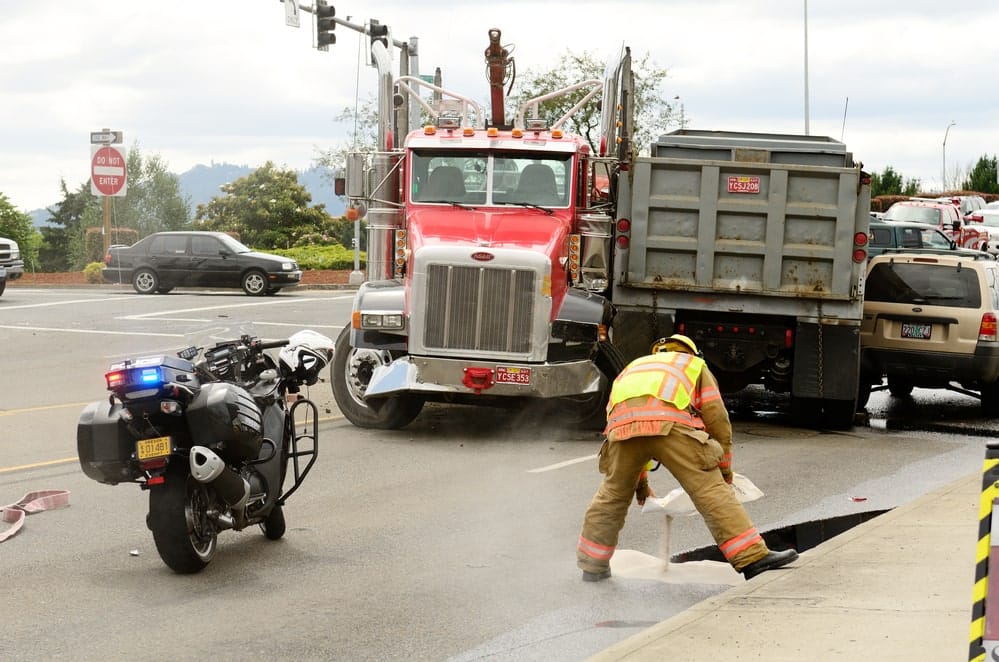
Our friends at Ausman Law Firm P.C., L.L.O. discuss how rejecting quick settlement offers and negotiating strategically results in substantially higher compensation. A truck accident lawyer knows that early offers are lowball attempts to take advantage of vulnerable injured victims who need money and don’t yet understand their rights or case values.
These twelve reasons explain why you should reject quick settlement offers.
1. You Don’t Know Your Injuries’ Full Extent Yet
The most important reason to reject early offers is that you can’t possibly know how serious your injuries are within days or weeks of accidents. Many conditions don’t show immediate symptoms or worsen over time.
According to the Insurance Information Institute, premature settlements before injury extent is known represent the leading cause of inadequate compensation.
Soft tissue injuries, concussions, herniated discs, and internal damage often take weeks or months to fully manifest. Settling before understanding your complete condition means accepting inadequate amounts for injuries you don’t yet know you have.
2. Future Medical Costs Aren’t Included
Quick offers typically cover only medical expenses you’ve already incurred while ignoring future treatment needs. If injuries require ongoing therapy, future surgeries, or lifetime care, early settlements won’t account for these anticipated costs.
Future medical expenses often exceed past treatment costs substantially, particularly for serious injuries requiring extended care.
3. Insurance Companies Lowball Intentionally
Early offers are deliberately low. Insurance companies know most accident victims don’t understand claim values and hope you’ll accept inadequate amounts rather than negotiating for fair compensation.
First offers often represent 20% to 40% of what cases ultimately settle for after proper negotiation. Accepting these lowball offers means leaving substantial money on the table.
4. You Haven’t Reached Maximum Medical Improvement
You can’t properly value cases until reaching maximum medical improvement when doctors confirm you’ve healed as much as possible and have clear prognoses about permanent limitations.
Settling before this point risks accepting amounts that don’t cover your actual damages once final injury extent becomes clear.
5. Lost Earning Capacity Isn’t Calculated
Quick offers might include wages already lost but ignore reduced future earning capacity if injuries limit your ability to work or force career changes.
Lost earning capacity calculations require professional economic analysis showing lifetime earning losses that early offers don’t address.
6. Pain And Suffering Is Minimized
Early offers drastically undervalue pain and suffering damages by offering minimal amounts for non-economic losses that should be substantial based on injury severity.
Proper pain and suffering calculations use multipliers of economic damages that early offers ignore by providing token amounts instead.
7. Settlement Timing Favors Insurance Companies
Quick settlements benefit insurers by closing claims before you understand your rights, consult attorneys, or recognize how much compensation you deserve.
Insurance companies create artificial urgency claiming offers expire soon or suggesting delays will reduce amounts. These pressure tactics aim to prevent you from making informed decisions.
8. Medical Liens And Costs Will Reduce Your Recovery
Early settlement amounts might seem adequate until you subtract medical liens, health insurance subrogation, and attorney fees if you’ve hired counsel.
What appears as $50,000 might net you only $20,000 after deductions. Early offers rarely account for these reductions when presenting gross amounts.
9. You Haven’t Consulted Legal Counsel
Accepting offers before consulting attorneys means you don’t know whether amounts are reasonable or how much more you could recover through negotiation.
Professional evaluation reveals whether offers are fair or whether you should reject them and continue negotiating for substantially higher amounts.
10. Future Complications Aren’t Considered
Certain injuries predictably cause complications requiring treatment months or years later. Early offers don’t account for these foreseeable secondary conditions.
Once you settle and sign releases, you cannot reopen cases when anticipated complications develop requiring expensive care settlements didn’t cover.
11. Insurance Companies Have More Authority To Pay
Adjusters making early offers have authority to pay substantially more but won’t unless you reject initial lowball amounts. They expect these offers to be rejected and are prepared to negotiate higher.
Accepting first offers means settling for amounts insurers were willing to pay without any negotiation pressure to increase compensation.
12. Continuing Negotiation Typically Increases Offers Substantially
Cases that reject early offers and continue negotiating typically settle for two to five times initial offer amounts. This dramatic increase demonstrates how inadequate first offers really are.
Insurance companies increase offers significantly when they recognize you won’t accept lowball amounts and understand your case’s actual value.
Protecting Your Financial Recovery
Quick settlement offers exploit vulnerable injured victims who face medical bills, lost wages, and uncertainty about their futures. Insurance companies know you need money and hope desperation will make you accept inadequate amounts.
Patience and strategic negotiation result in substantially higher settlements that fairly compensate you for all damages rather than just reimbursing obvious expenses while ignoring future costs and non-economic losses.
The difference between accepting early offers and properly negotiating settlements often amounts to tens of thousands of dollars in additional compensation for identical injuries.
Making Informed Decisions
Never accept settlement offers without understanding what you’re entitled to recover, whether offers adequately compensate for all damages, and what alternatives exist if you reject offers and continue negotiating.
Quick offers sound attractive when you’re injured and facing bills, but accepting them permanently eliminates your right to additional compensation when you later discover injuries were more serious than initially understood or when future medical needs arise.
Once you sign releases accepting settlements, you cannot reopen cases regardless of what develops later. This finality makes accepting premature offers before understanding complete damages extremely risky.
Evaluating Your Options
Contact an experienced attorney immediately after accidents who will protect you from accepting quick lowball settlement offers, calculate your comprehensive damages accurately, negotiate strategically for maximum compensation, and advise honestly about whether offers are fair or whether you should reject them and continue fighting for the substantially higher settlements patience and proper negotiation typically achieve compared to accepting insurance companies’ first inadequate offers designed to close claims cheaply before you understand your rights or your case’s true value.