
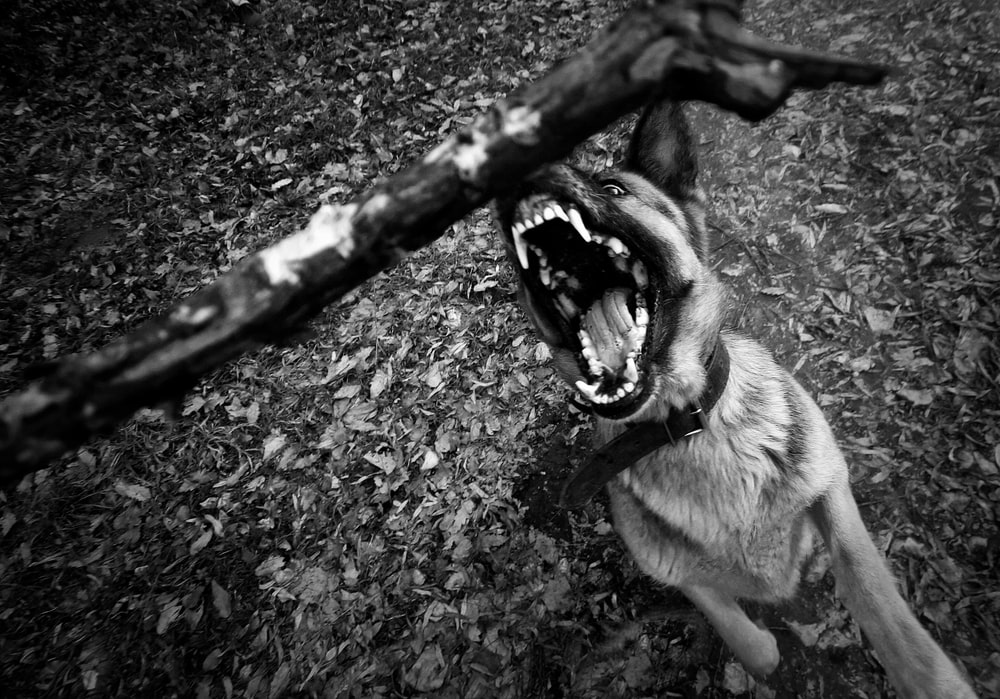
Few experiences are as frightening for a pet owner as watching their dog be attacked by another dog. In those moments, adrenaline takes over, and instinct often urges immediate physical intervention. However, in Texas, how you respond can have serious consequences — not only for your dog’s safety, but also for your own physical safety and potential legal liability.
Knowing what to do and what not to do can help protect everyone involved and preserve important legal rights after the incident. If you are in need of legal assistance after a dog bite, our Arlington, TX dog bite lawyer is here to help.
What To Do If Your Dog Is Attacked
1. Prioritize Safety — Yours and Your Dog’s
Your first instinct may be to jump in and separate the dogs, but physically intervening with your hands or body can result in severe injuries. Dog bites sustained while breaking up a fight are common and often serious.
If possible:
- Stay calm and avoid screaming, which can escalate the situation
- Look for objects nearby (a jacket, leash, umbrella) to create a barrier
- Use loud, firm verbal commands if safe to do so
Only attempt physical separation as a last resort and only if you can do so without placing yourself directly between the dogs’ mouths.
2. Separate The Dogs Safely
If the attacking dog’s owner is present, coordinate efforts rather than acting independently. Common safer methods include:
- Pulling the attacking dog away by the hind legs (wheelbarrow method), if trained and physically able
- Using water, loud noise, or an object to break the dog’s focus
- Securing one dog immediately after separation to prevent re-engagement
Avoid grabbing collars or reaching near the head or neck, as redirected bites frequently occur in these moments.
3. Identify The Other Dog And Owner
Once the situation is under control:
- Get the other owner’s name, address, phone number
- Ask for rabies vaccination information
- Take photos of the dog, owner, location, and any visible injuries
If the owner attempts to leave, note their vehicle description and license plate if possible.
4. Seek Veterinary Care Immediately
Even if injuries appear minor, internal damage or infection may not be immediately visible. Texas law often looks at medical documentation when evaluating responsibility and damages.
Prompt veterinary treatment also:
- Protects your dog’s health
- Creates an official record of injuries
- Strengthens any future legal or insurance claim
5. Report The Incident
In Texas, dog attacks should be reported to:
- Local animal control
- Law enforcement, especially if injuries are severe
Texas follows a version of the “one-bite rule,” meaning prior aggressive behavior can be legally significant. Reporting the incident helps establish a documented history if the dog has attacked before.
What Not To Do During Or After A Dog Attack
1. Do NOT Physically Attack the Other Dog Unless Absolutely Necessary
While Texas law may allow reasonable force to protect yourself or your animal, excessive or unnecessary force can create legal risk. Injuring or killing the other dog when alternative methods were available could expose you to civil or even criminal liability.
Use only the force reasonably necessary to stop the attack.
2. Do NOT Leave The Scene Without Information
Leaving without identifying the other dog and owner can make it extremely difficult to:
- Recover veterinary costs
- Hold the responsible party accountable
- Prove what happened
Even if emotions are high, gather information before departing.
3. Do NOT Apologize Or Admit Fault
It may feel polite or instinctive to apologize, but statements like “I’m sorry” or “My dog shouldn’t have been there” can later be used against you in insurance or legal disputes.
Stick to factual statements and avoid speculation about blame.
4. Do NOT Delay Medical Care
Waiting too long to seek veterinary treatment can:
- Worsen your dog’s injuries
- Increase medical costs
- Undermine a future claim by suggesting the injuries were not serious
Prompt care protects both your dog and your legal position.
5. Do NOT Take Matters Into Your Own Hands Later
Avoid confronting the other owner after the fact, making threats, or attempting retaliation. These actions can escalate the situation and harm your credibility if legal action becomes necessary.
Let animal control, insurers, or legal professionals handle the dispute.
Legal Considerations In Texas
Texas dog owners may be held liable if they:
- Knew or should have known their dog was dangerous
- Failed to control or restrain their dog
- Violated leash laws or local ordinances
If your dog was lawfully present and properly restrained, and another dog attacked, the other owner may be responsible for:
- Veterinary bills
- Follow-up treatment
- In some cases, additional damages
Each case depends on the facts, prior history, and local laws.
Witnessing your dog being attacked is terrifying, but how you respond matters. Staying calm, acting safely, documenting the incident, and avoiding impulsive actions can protect your dog’s health and your legal rights under Texas law.
Preparation and knowledge can’t prevent every attack — but they can make all the difference in what happens next. For dedicated legal assistance, contact the Brandy Austin Law Firm today.