
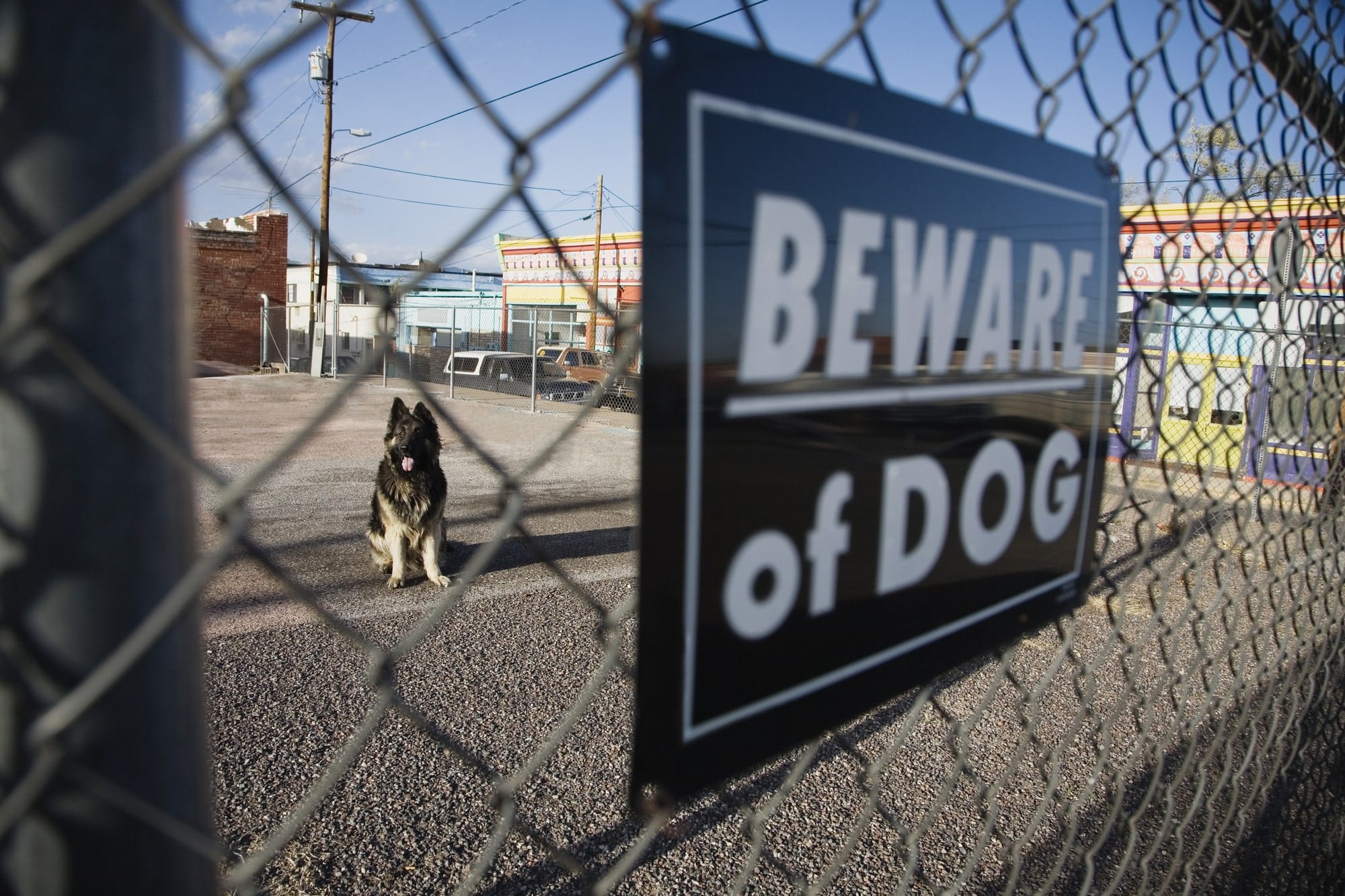
Discovering that your dog has attacked another dog or a person is frightening, overwhelming, and emotionally charged. In an instant, you may be worried about injuries, potential legal consequences, and what this means for your dog’s future. In Texas, how you respond immediately and in the days that follow can have a significant impact on liability, insurance coverage, and possible criminal or civil consequences.
While no one wants to imagine this scenario, knowing the right steps to take can help protect everyone involved — including your dog. If you are in need of representation after a dog bite, our Dallas, TX dog bite lawyer may be able to help you.
What To Do Immediately After An Attack
1. Secure And Restrain Your Dog
Your first responsibility is safety. Remove your dog from the situation as quickly and calmly as possible:
- Leash or crate your dog immediately
- Move them away from the injured person or animal
- Ensure the dog cannot re-engage
Do not allow your dog to roam freely or remain in a heightened state. Failing to secure your dog may worsen injuries and increase legal exposure.
2. Check For Injuries And Offer Assistance
If a person or another dog is injured, check on them once your dog is safely restrained. In Texas, showing concern and offering reasonable assistance can matter — both legally and practically.
You should:
- Ask if medical or veterinary care is needed
- Offer to call emergency services or animal control
- Avoid interfering with medical care
Providing help does not automatically mean you are admitting fault.
3. Exchange Information
Be prepared to provide:
- Your name and contact information
- Proof of rabies vaccination
- Your dog’s identifying details
If your dog attacked a person, Texas law requires rabies verification and may require quarantine procedures. Failing to provide information can escalate the situation and lead to additional penalties.
4. Report The Incident When Required
In Texas, dog attacks — especially those involving bites to people — often must be reported to animal control or local law enforcement. Reporting requirements vary by jurisdiction, but failing to comply can result in fines or worse consequences.
While reporting may feel intimidating, attempting to hide or minimize an incident usually makes matters worse.
What Not To Do After An Attack
1. Do NOT Leave The Scene
Leaving without providing information can be viewed as evasive or negligent and may:
- Increase civil liability
- Lead to criminal charges
- Damage your credibility
Remain at the scene unless emergency medical care requires otherwise.
2. Do NOT Argue, Blame, Or Escalate
Emotions run high after an attack, but arguing with the injured party, accusing them, or becoming defensive can escalate tensions and complicate legal matters.
Stick to factual statements and avoid heated exchanges.
3. Do NOT Make Detailed Admissions Or Apologies
Statements like “This is my fault” or “My dog has done this before” can later be used against you. While you can express concern, avoid speculating about liability or prior behavior at the scene.
You can be humane without incriminating yourself.
4. Do NOT Ignore Quarantine Or Control Orders
If animal control orders:
- A rabies quarantine
- Behavioral evaluation
- Enhanced restraint measures
You must comply. Ignoring these requirements can lead to fines, seizure of your dog, or additional legal consequences.
Legal Liability In Texas
Texas generally follows a version of the “one-bite rule.” This means a dog owner may be held liable if they knew or should have known their dog had dangerous tendencies. However, liability can also arise from:
- Violating leash laws or local ordinances
- Failing to properly restrain or control the dog
- Negligent handling of the dog
If a person is bitten, Texas law allows victims to pursue damages for:
- Medical bills
- Pain and suffering
- Lost wages
- Permanent injury
Dog owners may also face criminal charges if the attack causes serious bodily injury and the dog was known to be dangerous.
Steps To Take After The Incident
Notify Your Insurance Company
Homeowners’ or renters’ insurance policies often provide coverage for dog bite claims. Notify your insurer promptly, even if you believe the injuries are minor.
Delaying notice may jeopardize coverage.
Consult A Qualified Attorney
If the attack caused significant injury or involved a person, speaking with an attorney familiar with Texas dog bite law can help you:
- Understand your rights and obligations
- Navigate animal control proceedings
- Minimize legal and financial exposure
Address The Underlying Issue
Finally, take proactive steps to prevent future incidents:
- Professional training or behavioral assessment
- Stronger containment measures
- Avoiding high-risk environments
Demonstrating responsibility and corrective action may help in both legal proceedings and animal control evaluations.
If your dog attacks another dog or a person in Texas, your response matters — immediately and long after the incident ends. Acting responsibly, securing your dog, complying with reporting requirements, and avoiding impulsive statements can help protect injured parties, your legal position, and your dog’s future.
No owner plans for this situation, but handling it properly can make a critical difference in how it is resolved. Contact the Brandy Austin Law Firm today for dedicated legal representation.