
Your child is injured or nearly drowns in a neighbor’s pool, a hotel swimming pool, or a community facility. The pool owner suggests that your child shouldn’t have been near the water unsupervised or that accidents happen despite their best efforts. However, swimming pools are recognized by law as inherently dangerous, particularly to children, and property owners face heightened legal duties that go beyond ordinary premises liability. Many jurisdictions apply strict liability principles or attractive nuisance doctrines that make recovery easier than typical injury cases.
Our friends at The Layton Law Firm handle swimming pool accident cases regularly and understand the special legal rules that apply. A personal injury lawyer experienced with pool injuries knows that these cases involve safety codes, fencing requirements, and liability standards that recognize pools as dangerous conditions requiring extraordinary precautions.
The Attractive Nuisance Doctrine
Swimming pools are the classic example of an attractive nuisance, a legal doctrine that protects children who are injured by dangerous conditions on property they enter without permission. Pools attract children who don’t understand the risks, and property owners must take special precautions to prevent access.
Under attractive nuisance principles, pool owners can be liable even when children trespass if:
- The owner knew or should have known children were likely to trespass
- The pool presented unreasonable risk of death or serious injury
- Children couldn’t appreciate the danger due to their age
- The burden of eliminating the danger was slight compared to the risk
- The owner failed to exercise reasonable care to protect children
This doctrine recognizes that young children are attracted to water but cannot understand drowning risks. Property owners must anticipate that pools will draw children and protect accordingly.
Fencing And Barrier Requirements
Most states and localities have specific laws requiring pool owners to install fencing and barriers that prevent unsupervised child access. These regulations create minimum safety standards that, if violated, provide strong evidence of negligence or liability.
Common legal requirements include:
- Fences at least four feet high completely surrounding pools
- Self-closing and self-latching gates
- Barriers preventing climbing by small children
- Alarms on doors leading from houses to pool areas
- Pool covers meeting safety standards when pools aren’t in use
Violating these code requirements often creates negligence per se, meaning the violation itself proves negligence without requiring additional proof of fault.
Supervision Duties At Public And Commercial Pools
Hotels, apartment complexes, community pools, and recreational facilities face duties to supervise pools and provide lifeguards depending on the facility type and local regulations. The Consumer Product Safety Commission provides guidelines for pool safety and drowning prevention.
Commercial pool operators must:
- Employ qualified lifeguards during operating hours when required
- Maintain proper water quality and chemical balance
- Post depth markers, safety rules, and warnings
- Provide rescue equipment in accessible locations
- Ensure adequate lighting for nighttime use
- Maintain slip-resistant surfaces around pool areas
- Enforce capacity limits and age restrictions
Failures in any of these duties can create liability when swimmers are injured.
Strict Liability For Code Violations
Some jurisdictions treat swimming pool safety code violations as creating strict liability. This means pool owners are automatically liable for injuries resulting from code violations without plaintiffs needing to prove traditional negligence.
If a pool lacks required fencing and a child drowns, the code violation itself establishes liability. The pool owner cannot defend by arguing they didn’t know children might access the pool or that they took other safety measures.
Homeowner Vs. Commercial Pool Different Standards
Residential pool owners face different legal duties than commercial facilities, though both must comply with fencing and safety codes. Commercial pools typically face heightened supervision requirements including lifeguard staffing and water quality testing.
However, attractive nuisance doctrine applies primarily to residential properties where children trespass. Commercial pools assume guests have permission to be on property, triggering different legal analysis based on invitee status rather than attractive nuisance.
Parental Supervision Questions
Pool owners often defend cases by arguing parents failed to adequately supervise children. While parental supervision matters, it doesn’t eliminate pool owners’ duties to maintain safe conditions and comply with safety codes.
Comparative negligence might reduce recovery if parents were negligent, but pool owner code violations typically represent the primary cause of injuries. Courts recognize that momentary lapses in parental attention are foreseeable and that pool safety barriers exist precisely because constant supervision isn’t always possible.
Dive Accidents And Inadequate Warnings
Diving injuries from shallow pools or areas with insufficient depth represent another category of pool accidents. Owners must provide clear depth markers and warnings about diving hazards.
Missing or inadequate “No Diving” signs, lack of depth markers, or misleading pool configurations that suggest adequate depth when there isn’t create liability when divers suffer spinal injuries or head trauma.
Defective Pool Equipment
Pool drains, covers, filters, and ladders can malfunction and cause serious injuries. Drain entrapment cases where children’s bodies or hair become trapped by powerful suction have resulted in drownings and horrific injuries.
Federal regulations require anti-entrapment drain covers on public pools. Violations of these requirements create liability, and defective drain cover manufacturers face product liability claims.
Slip And Fall Around Pool Areas
Wet surfaces around pools create obvious slip and fall hazards. Property owners must maintain slip-resistant surfaces and promptly clean up excess water.
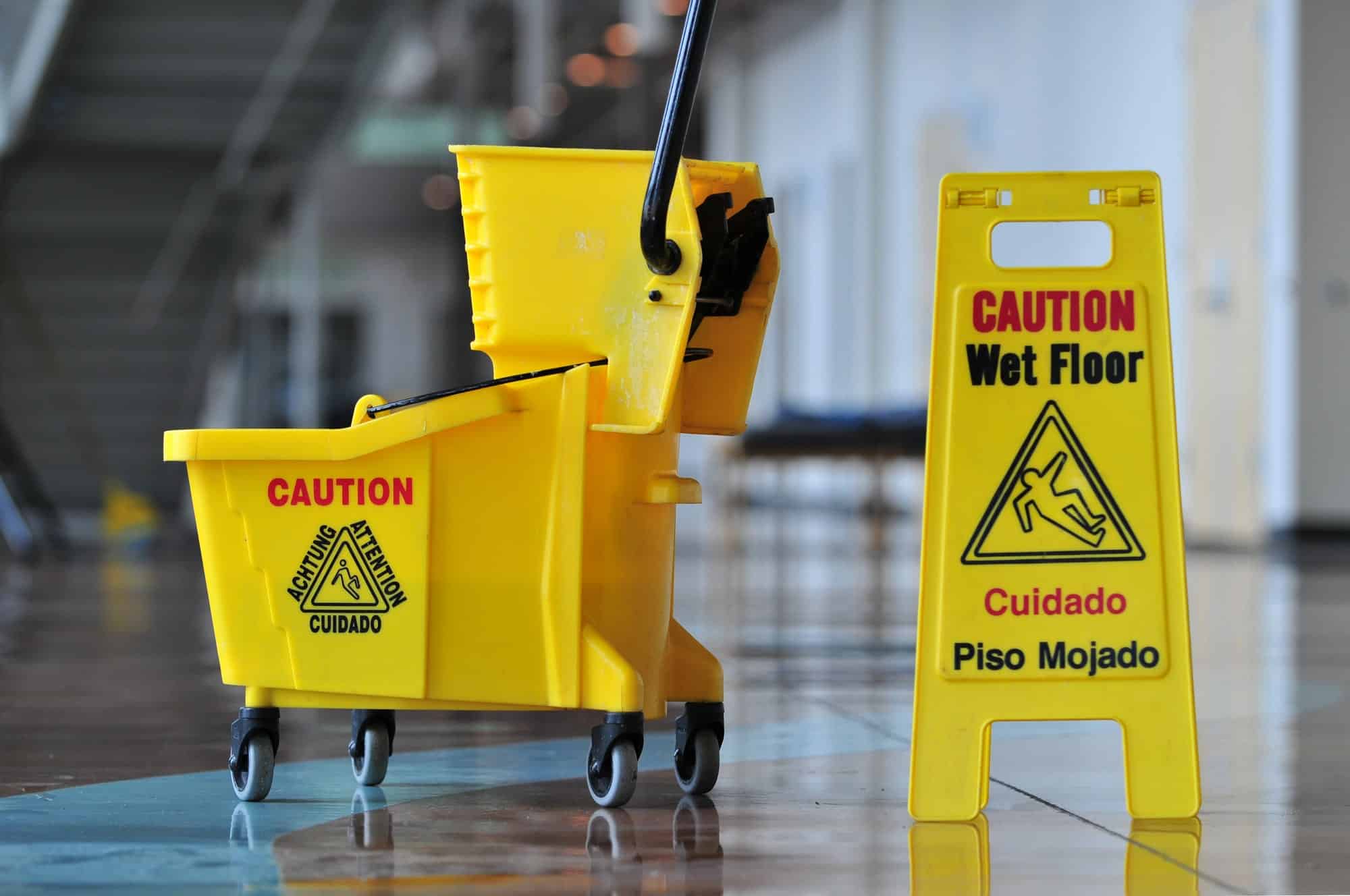
“Wet floor” conditions are expected around pools, but grossly inadequate surfaces, broken tiles, or uneven decking that contribute to falls can create liability even in obviously wet areas.
Chemical Exposure Injuries
Improper pool chemical maintenance causing burns, respiratory problems, or other injuries creates liability. Pool operators must maintain proper chemical balance and store chemicals safely away from swimmers.
Over-chlorination, acid burns from pH imbalances, or chemical spills that injure swimmers represent breaches of pool maintenance duties.
Hot Tub And Spa Specific Hazards
Hot tubs and spas present unique dangers including excessive temperatures causing burns, powerful jets causing entrapment, and bacterial contamination causing infections.
Temperature regulations limit how hot spa water can be, particularly in facilities where children might access them. Violations of temperature limits that cause scalding injuries create clear liability.
Warning Sign Requirements
Pool areas must display various warning signs depending on jurisdiction:
- No diving warnings in shallow areas
- Depth markers at regular intervals
- Pool rules and capacity limits
- Emergency contact information
- CPR instruction posters
- Chemical hazard warnings
Missing required signage contributes to liability when injuries occur from hazards that proper warnings would have prevented.
Governmental Immunity Issues
Public pools operated by municipalities sometimes assert governmental immunity defenses that can complicate or bar claims. These immunities vary by state, with some jurisdictions providing broad protection for governmental entities.
However, many states waive immunity for dangerous property conditions or negligent maintenance, allowing pool injury claims against public facilities despite governmental ownership.
Insurance Coverage Considerations
Homeowner’s insurance typically covers swimming pool liability, though some insurers exclude pools or charge higher premiums. Commercial pool operators carry substantial liability coverage due to the inherent risks.
Uninsured pool owners present collection challenges even when liability is clear. Verifying insurance coverage early in the process helps determine whether pursuing a claim makes financial sense.
Immediate Evidence Preservation
Pool conditions change quickly after accidents. Water gets drained, repairs get made, and evidence disappears. Immediate photography of pool barriers, signage, depth markers, and chemical levels is necessary.
Witness statements from others present during the accident must be gathered quickly before memories fade or witnesses become unavailable.
Protecting Children Around Swimming Pools
Swimming pool owners face heightened legal duties under attractive nuisance doctrines, strict liability for code violations, and comprehensive safety regulations that recognize pools as inherently dangerous to children. We handle swimming pool injury cases and understand the special liability rules, fencing requirements, and supervision duties that apply to residential and commercial pools. If your child has been injured in a swimming pool accident, contact our team to discuss the property owner’s legal responsibilities and whether safety code violations contributed to the incident.